
"wet parchment removal"
400 article(s) found

The characteristics between semi-washing and Sumatra wet planing in the treatment of coffee
Professional coffee knowledge exchange more coffee bean information please pay attention to the coffee workshop (Wechat official account cafe_style) semi-washing: transfer the red fruit into the pulp screening machine to remove the pulp, then move the red fruit into the sink for fermentation, move the pectin coffee beans to the outdoor bean drying farm to dry. When the water content reaches 10.5% Mel 12%, the coffee fruit is stored in a special container to ripen. Regrinding

Coffee bean processing method-wet plucking method
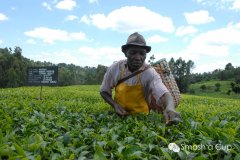
Coffee fruit consists of exocarp, pulp with mucus (mesocarp) and coffee beans (endosperm). When the coffee fruit is ripe, the exocarp of the coffee turns red or yellow. Usually, a coffee fruit contains two coffee beans, each wrapped in a brown film similar to the color of parchment and a white film. In every step of processing coffee,
This article will take you into the world of coffee, a complete introduction to fine coffee.
Most Arabica coffee beans mature from June to August and Robart coffee beans from September to October. Therefore, although in some countries where the dry and wet seasons are not obvious, such as Colombia and Kenya, there are two flowering periods a year, that is, two harvests, strictly speaking, only once a year. Due to different regions, the harvest time is also different. North of the equator (eg Ethiopia

What characteristics does the wet planing method give to Manning? Sumatra wet planing method has a unique herbal flavor.
For more information on coffee beans, please follow the introduction of wet planing in Indonesia in front of the coffee workshop (official Wechat account cafe_style). Generally speaking, coffee-producing countries have a distinct dry season and rainy season. For coffee, which depends on heaven for food, rainy days determine the time when coffee will blossom and bear fruit. But, like Indonesia, it is all the year round.

Description of flavor and taste characteristics of Mantenin coffee bean varieties of tiger and Manning respectively
Professional coffee knowledge exchange more coffee bean information please follow the coffee workshop (Wechat official account cafe_style) Tiger Manning] grows in Indonesia, the main producing areas are in Sumatra, Java and Sulawesi. Tiger Manning is produced in the tiger manor, so it is also known as the Manning tiger and the Sumatran tiger. The northern part of Sumatra is relatively high above sea level.

The Origin of the name of Indonesian Fine Coffee Mantenin and its Wet planing treatment
Professional coffee knowledge exchange more coffee bean information please follow the coffee workshop (Wechat official account cafe_style) Manning introduction: Manning is not the name of the producing area, place name, port name, nor the name of the coffee variety, how did it get its name? In fact, it is the transliteration of the mandheling people in Mandaining, Indonesia. During the Japanese occupation of Indonesia in World War II, a Japanese

Raw bean treatment of coffee washed with water, semi-washed, insolated and honey
The first is dry treatment (secado), also known as natural all-day exposure (natural). After the coffee fruit is actually picked, it is dried directly in the sun. According to the weather conditions, it is generally necessary to dry the coffee beans for 2 weeks to reduce the water content of the coffee beans to 10%, 12%, and then use a machine to remove the dried peel and pulp. The raw bean processing plant (beneficio) usually retains the sheepskin on the outside of the coffee beans when the raw beans are stored.

Grinding or shelling of coffee beans
Coffee beans should be ground before they are exported, that is, the endocarp of Arabian and Robbite coffee beans to be sold should be removed. The residual shell of coffee beans after removal and cleaning of endocarp and drying process is also known as peeling or peeling. It is more difficult to remove the endocarp of coffee beans during wet treatment than during drying, so different methods are needed.

What is the shelling of coffee beans?
Before exporting, brown beans should be treated by grinding, which is to remove the endocarp from the coffee beans to be sold. The residual shell of coffee beans after removal and cleaning of endocarp and drying process is also known as peeling or peeling. It is more difficult to remove the endocarp of coffee beans during wet treatment than during drying, so different shelling machines are needed. There are two main models:

Differences in raw bean treatment of coffee beans treated with sun, water, semi-water and honey
The first is dry treatment (secado), also known as natural all-day exposure (natural). After the coffee fruit is actually picked, it is dried directly in the sun. According to the weather conditions, it is generally necessary to dry the coffee beans for 2 weeks to reduce the water content of the coffee beans to 10%, 12%, and then use a machine to remove the dried peel and pulp. The raw bean processing plant (beneficio) usually keeps the outside of the coffee beans when the raw beans are stored.
Processing methods of high-quality coffee technology coffee raw beans
Dry treatment (secado), also known as natural all-day exposure (natural). After the coffee fruit is actually picked, it is dried directly in the sun. According to the weather conditions, it is usually necessary to dry the coffee beans for 2 weeks, so that the water content of the coffee beans is reduced to 10%. Then the machine is used to remove the dried peel and pulp. Raw bean processing plant (beneficio) usually keeps the outside of coffee beans when raw beans are stored.

Analysis on Gold Manning and Wet planing treatment of Indonesian Fine Coffee beans
Professional coffee knowledge exchange more coffee bean information Please pay attention to the coffee workshop (Wechat official account cafe_style) for those who like to drink coffee, they have long heard of Manning, especially the well-known golden manning, when it comes to golden manning, they will immediately think of Sumatra, because those who love Manning all know that Sumatra's golden man has the best aroma. But in fact,
Please introduce the raw bean treatment method of coffee washing, semi-washing, sun drying and honey treatment.
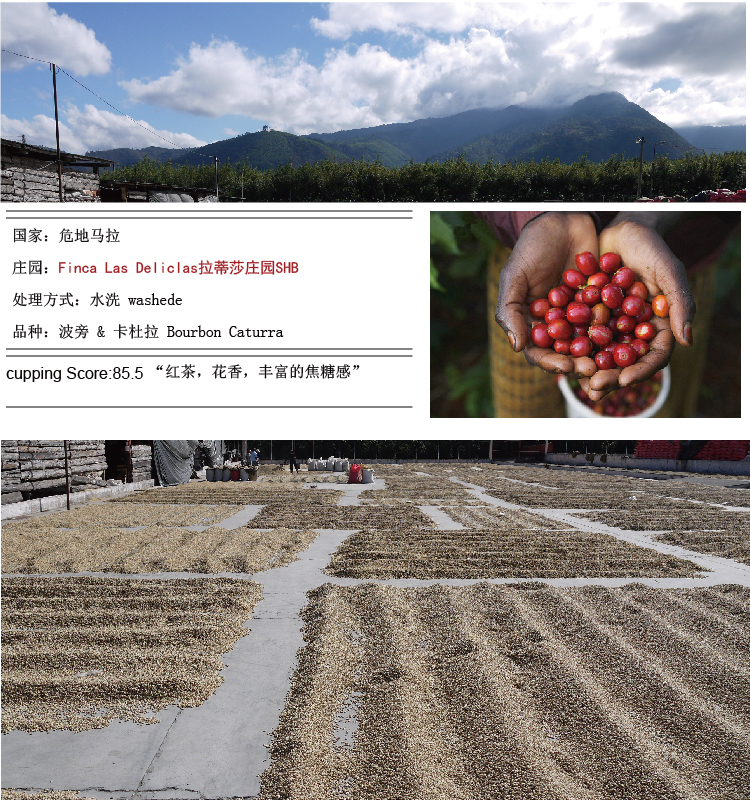
The first is dry treatment (secado), also known as natural all-day exposure (natural). After the coffee fruit is actually picked, it is dried directly in the sun. According to the weather conditions, it is generally necessary to dry the coffee beans for 2 weeks to reduce the water content of the coffee beans to 10%, 12%, and then use a machine to remove the dried peel and pulp. The raw bean processing plant (beneficio) usually keeps the outside of the coffee beans when the raw beans are stored.
Mantenin wet planing method is introduced in detail, what are the characteristics of wet planing coffee beans? The story of the origin of wet planing.
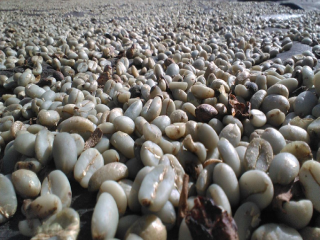
Wet planing is a traditional treatment in Indonesia. Coffee treated by wet planing usually has a very high alcohol thickness, low acid, strong bitter taste and distinct personality. This treatment is used because of Indonesia's humid and rainy climate, the rainfall is very frequent, and the average annual humidity is as high as 70%, 90%.
The skill of grinding or shelling coffee beans
Coffee beans should be ground before they are exported, that is, the endocarp of Arabian and Robbite coffee beans to be sold should be removed. The residual shell of coffee beans after removal and cleaning of endocarp and drying process is also known as peeling or peeling. It is more difficult to remove the endocarp of coffee beans during wet treatment than during drying, so different methods are needed.

Analysis of grinding or shelling process of coffee beans
Coffee beans should be ground before they are exported, that is, the endocarp of Arabian and Robbite coffee beans to be sold should be removed. The residual shell of coffee beans after removal and cleaning of endocarp and drying process is also known as peeling or peeling. It is more difficult to remove the endocarp of coffee beans during wet treatment than during drying, so different methods are needed.

Sumatran coffee bean elevation allusion meaning story price flavor description introduction
Sumatra Island, formerly known as Jindao and Jinzhou, is famous for its rich gold deposits. The topography of Sumatra is long and narrow. The topography of Sumatra is mainly from northwest to southeast of the island's Bali Mountains Barisan Mountains and the eastern lowlands. The mountains stretch, with more than 90 volcanoes and many volcanic lakes, volcanoes provide fertile soil suitable for coffee growth. For tropical rain forest climate
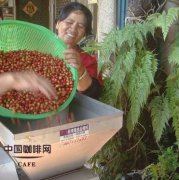
Fine coffee common sense grinding or shelling of coffee beans
Coffee beans should be ground before they are exported, that is, the endocarp of Arabian and Robbite coffee beans to be sold should be removed. The residual shell of coffee beans after removal and cleaning of endocarp and drying process is also known as peeling or peeling. It is more difficult to remove the endocarp of coffee beans during wet treatment than during drying, so different methods are needed.

Advantages and disadvantages of sun-drying, water-washing, semi-water washing, wet planing, anaerobic and barrel fermentation of coffee beans
Why do you deal with coffee beans? Coffee beans are the seeds of coffee cherries, so we have to remove the peel, pulp, pectin layer and endocarp before we can get the coffee beans. at this time, the coffee beans are raw beans, often white, emerald green or yellow. it turns into coffee-colored ripe beans after baking. And what I just mentioned to go

Greengo Manor in Burundi knows more about Kibingo Coffee Fruit Central processing Station
The Kibingo central treatment station in Greengo Manor, Burundi, the Kibingo central washing treatment plant is located in the Kayanza commune in northern Burundi. The station itself is located 1893 meters above sea level. The nearby mountain farms that provide washing treatment plants are between 1700 and 1900 meters above sea level. Gibingo serves 3553 registered coffee growers on 18 hills in the region. In 2016,